Painter guide
Should You Paint Your Own Home or Hire a Professional?
Should You Paint Your Own Home or Hire a Professional?
The honest answer: it depends on the job, your skill level, and how much your time is worth. For a single bedroom or a garden fence, rolling up your sleeves is a completely reasonable call. For a full exterior repaint on a two-storey Queenslander in Ashgrove, the case for hiring a professional is hard to argue against.
Here is a straightforward look at both sides so you can make the right choice for your situation.
What Kind of Job Are You Actually Facing?
Before you reach for a roller, get clear on the scope. Painting is one of those trades that looks simple until it isn't.
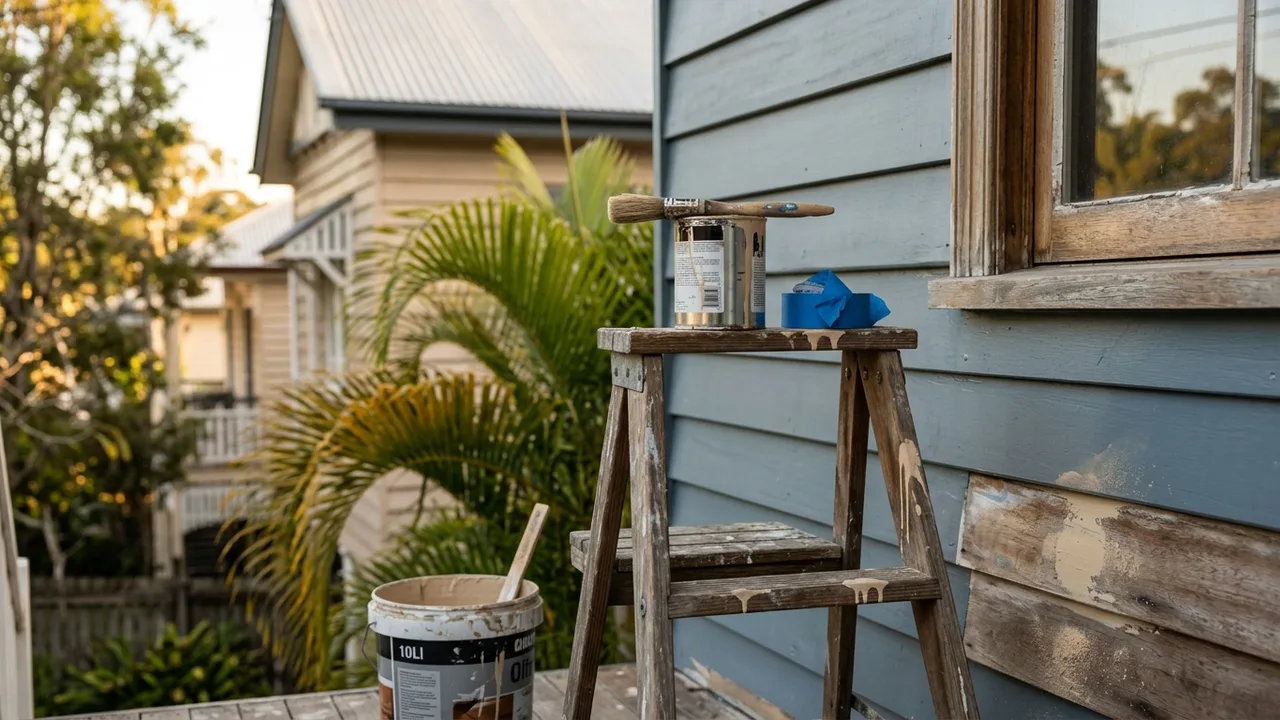
Small interior jobs - a single room, a hallway refresh, a feature wall - are genuinely manageable for a careful DIYer with a free weekend. The surfaces are accessible, prep work is minimal, and if you make a mistake it is easy to fix.
Larger interior repaints start to compound quickly. Moving furniture, masking off trim and cornices, cutting in around ceiling roses, working around kitchen cabinets - the non-painting work often takes longer than the painting itself. A typical three-bedroom home interior can run 15 to 25 hours of labour, not counting prep.
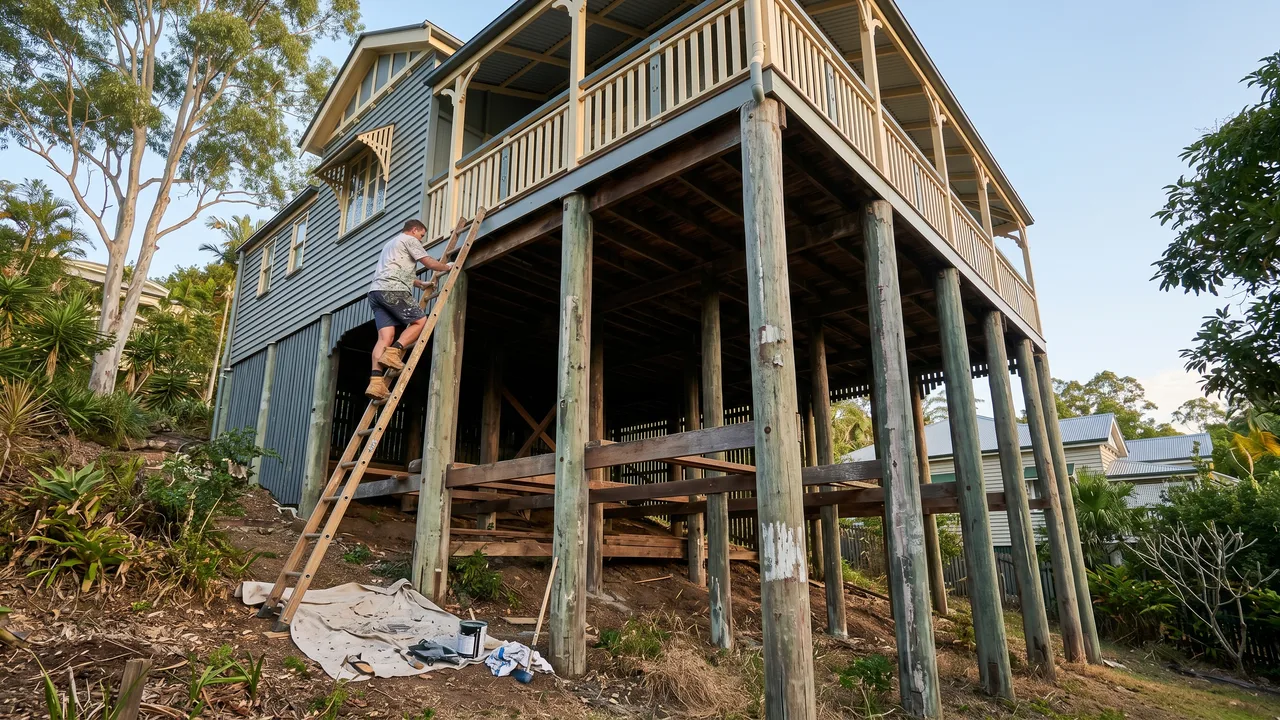
Exterior jobs are a different category entirely. You are working at height, dealing with weathered timber or render, managing Brisbane's UV exposure, and applying paint that needs to bond properly to last five or more years. In our cluster of suburbs - Ashgrove, Bardon, Red Hill, Paddington - a large proportion of homes are pre-war Queenslanders with tongue-and-groove timber cladding. That timber needs specific prep work: scraping, sanding, spot priming, sometimes a full primer coat before any topcoat goes on. Getting that sequence wrong is a common reason exterior paint fails prematurely.
The Real Cost Comparison
This is where most people underestimate DIY.
A basic DIY exterior repaint on a standard Ashgrove cottage might cost you $600 to $1,200 in materials alone once you factor in primer, topcoats, brushes, rollers, drop sheets, masking tape, a ladder hire, and sugar soap for prep. That is not the labour - that is just the materials.
A professional exterior repaint on the same home typically falls in the $3,500 to $7,000 range depending on size, condition, and surface type. For a full two-storey Queenslander with a lot of timber detail, costs can go higher.
The gap looks significant until you account for a few things:
- Your time. A weekend painter working alone will typically take two to four weekends to complete what a professional crew finishes in three to five days. If your time has value - and it does - factor that in honestly.
- Finish quality and longevity. A professionally prepped and painted exterior should hold up for eight to twelve years with basic maintenance. A DIY job with rushed prep might start peeling in two or three years, especially on exposed north and west-facing elevations in Brisbane's climate.
- Rectification costs. If a DIY paint job fails early - paint lifting, bleed-through, uneven sheen - fixing it properly often costs more than doing it right the first time because the failed coating has to come off first.
For interior work the gap narrows. A professional interior repaint on a three-bedroom home typically runs $2,500 to $5,000 through us. DIY materials might cost $400 to $700. But again, this is 20-plus hours of your time and a result that a professional will generally finish more cleanly, particularly around trim, cornices, and door frames.
Brisbane's Climate and What It Means for Paint
This matters more than people realise, and it is specific to where you live.
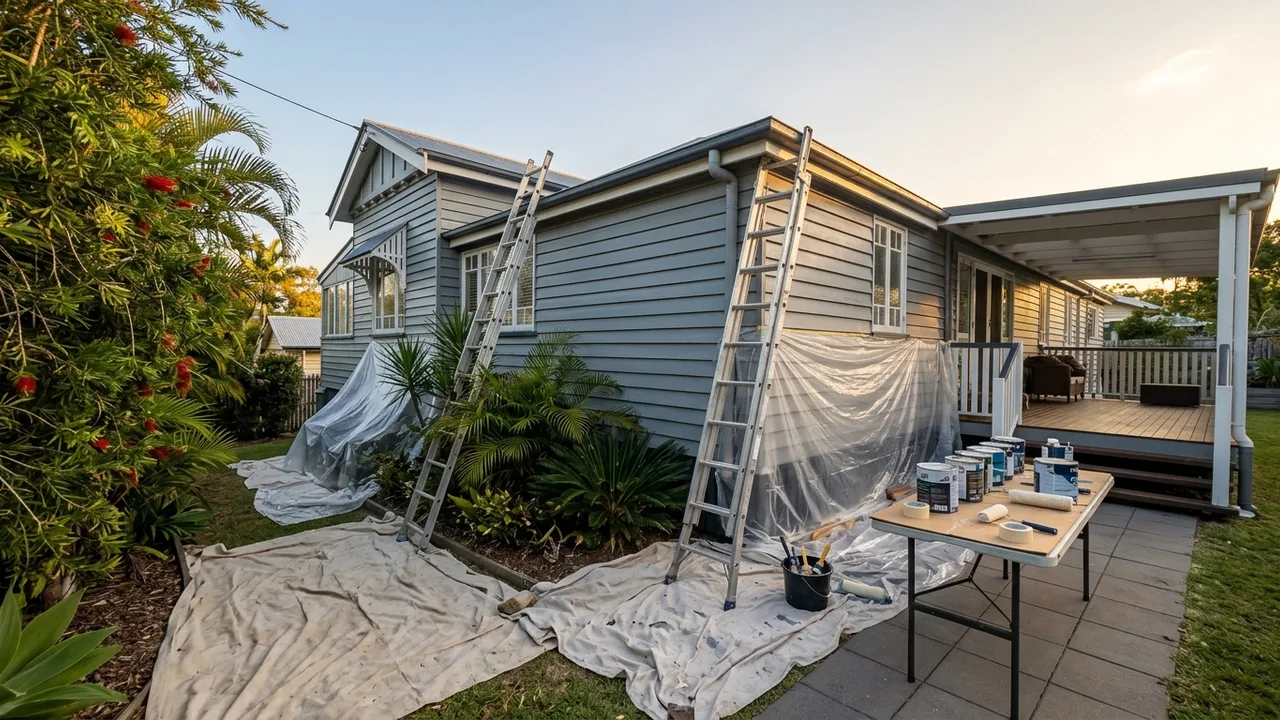
Brisbane's subtropical climate is hard on painted surfaces. High UV, humidity that swings dramatically between seasons, and heavy summer rain all stress exterior coatings. If you are in a bayside suburb, salt air adds another layer of complexity. Inland suburbs like Ashgrove, The Gap, and Toowong do not face that salt-air issue, but they get the full brunt of afternoon westerly sun, which accelerates paint degradation on west-facing walls.
Timing matters too. The ideal exterior painting window in Brisbane is typically late autumn through winter - roughly May to August. Lower humidity helps paint cure properly and reduces the risk of blistering. Painting an exterior in February when afternoon storms roll in regularly is risky for both pros and DIYers.
For Queenslander homes specifically, the timber itself needs to be at the right moisture content before painting. If a home has had significant rain and the timber is still damp, paint applied over it will trap moisture and fail. This is something a professional will test for; a DIYer often does not know to check.
What Professionals Do That Is Hard to Replicate
The gap between a professional finish and a careful amateur finish usually comes down to prep, not the painting itself.
Professional surface preparation on an exterior timber home typically includes:
- Pressure washing to remove mould, grime, and chalking
- Hand scraping and sanding of any flaking or peeling areas
- Spot priming bare timber and filler repairs
- Full primer coat where required
- Caulking of gaps around windows, doors, and trim joins
We follow this sequence on every exterior job we do in Ashgrove and surrounds because skipping any of it shortens the life of the final coat significantly.
Indoors, the difference shows up in cut lines - the neat edge between wall and ceiling, between two colours, between paint and timber trim. Getting a clean cut line without masking tape takes practice. Getting it consistently across every door frame and window reveal in a house takes a lot of practice.
When DIY Makes Genuine Sense
There are situations where painting yourself is the right call and we would tell you that directly.
- Repainting a single internal room in the same or a similar colour, on flat plaster walls, with no complicated trim work. Low risk, manageable scope.
- A timber fence or simple garden structure. A good quality deck oil or fence stain, properly applied on a dry day, is well within reach for most homeowners.
- Touch-up work between professional repaints - filling small marks, spot painting scuffs, freshening up a skirting board. Keep your original paint codes so you can match colours accurately.
- When budget is the primary constraint. A DIY job done carefully, with good prep, is better than no job at all. If the exterior really needs attention and a professional repaint is not possible right now, doing the work yourself is a legitimate option. Just accept that it will need professional attention sooner than a trade job would.
Our Honest Recommendation
If you are debating this for a small interior room or a fence, try it yourself. Buy quality paint (cheap paint typically requires more coats), take your time on prep, and be realistic about cut lines taking practice.
If you are looking at an exterior repaint, a full home interior, a heritage Queenslander, or anything involving height, we would suggest getting a proper quote first. Not because we want the work - though naturally we do - but because the consequences of an exterior paint job done poorly are expensive and slow to reveal themselves. By the time the paint starts peeling off a poorly prepped timber wall, you are usually looking at a strip-back job rather than a simple repaint.
We cover Ashgrove and the surrounding Inner West suburbs including Bardon, Paddington, Red Hill, Toowong, Auchenflower, Milton, Rosalie, and The Gap. If you want a straight assessment of what your home actually needs - and whether that is a job worth doing yourself - get in touch and we will give you an honest answer.
Quick answers